
The American Dental Association (ADA) recommends flossing your teeth at least once a day to avoid dangerous oral health problems like interproximal cavities and gum disease. However, many people struggle to complete this step adequately. Whether it’s due to dexterity issues, schedule, or simply not liking the feeling of dental floss, it is often overlooked, to disastrous results. If you’re not a fan of flossing, but still want a healthy, beautiful smile, you may have heard of water flossing. Here’s what you need to know about this treatment, and why it could be the best thing you’ll ever do for your mouth!
What is Water Flossing?
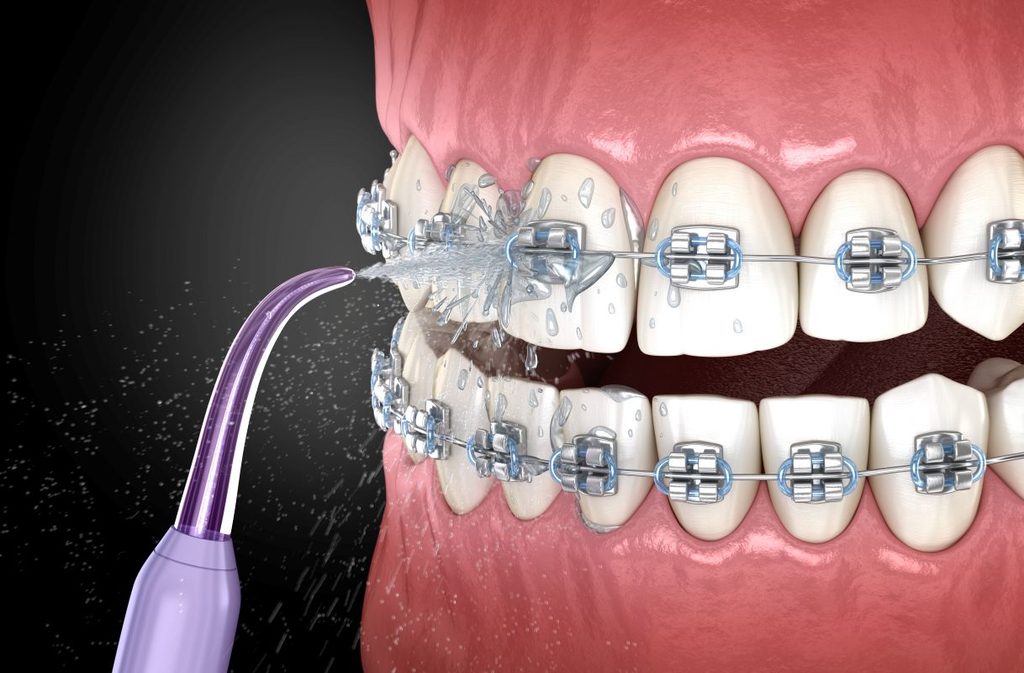
Think of water flossing as pressure washing for your teeth. Using a device known as an irrigator, a gentle but powerful stream of water is sprayed at the gums, where it rinses away deposits of plaque and food debris from on and between the teeth. You may have heard these devices referred to as a “Waterpik” before, as this is the leading brand name for them. However, while all Waterpiks are water flossers, there are other brands available that aren’t Waterpiks. The exact device you choose is entirely up to you!
Which is Better: Water or Dental Floss?
There has been much debate over the years about which type of flossing is better: water, or traditional string dental floss. While many are team dental floss, studies have shown that water flossers can remove up to 29 percent more dental plaque than traditional string! They’re also great for patients with wire and bracket braces, as they help clear away food from orthodontic equipment that brushes tend to miss, and even get debris caught between constantly shifting teeth.
Should I Start Water Flossing?
If you’d like to begin water flossing, there’s no need to delay starting. You can buy a high-quality irrigator of any brand at your local department store or online. Your dentist in Derry recommends starting at a low-pressure level and using warm or lukewarm water to begin with. Then, as you get comfortable, you can increase the speed and pressure of the water to your preference.
As for when you should incorporate this step into your oral hygiene routine, simply do it at the same time you would have used dental floss, whether that’s before or immediately after brushing. Some say flossing first helps loosen debris to make brushing easier, while others believe the opposite. Ultimately, as long as you’re doing both, the order isn’t that important. In fact, because many people find water flossing soothing, you may even want to do it both before and after brushing. That way you’ll loosen debris and then rinse any leftover bits off your teeth after they’ve been scrubbed!
Remember, whether you use traditional string dental floss or a water irrigator, the important thing is that you clean between your teeth. This will help protect them from cavities as well as reduce your risk of dangerous infections like gum disease. If you need any help with choosing a device, or advice about which method is best for your individual smile, talk to your dentist today!
About Our Practice
At Pinkerton Dental Group, our dynamic duo of dedicated dentists wants you to have a healthy, beautiful smile, no matter how you choose to floss it. Whether it’s irrigation or string floss, be sure to clean between each tooth daily, brush twice a day, and see us twice a year for your regular checkups and cleanings. If you’re ready to book your six-month visit, contact us today by visiting our website or calling 603-434-0040.